By Artists: Kasper Klop, Deron Gopie, Morwenna Spagnol
October 29, 2026 to January 30, 2027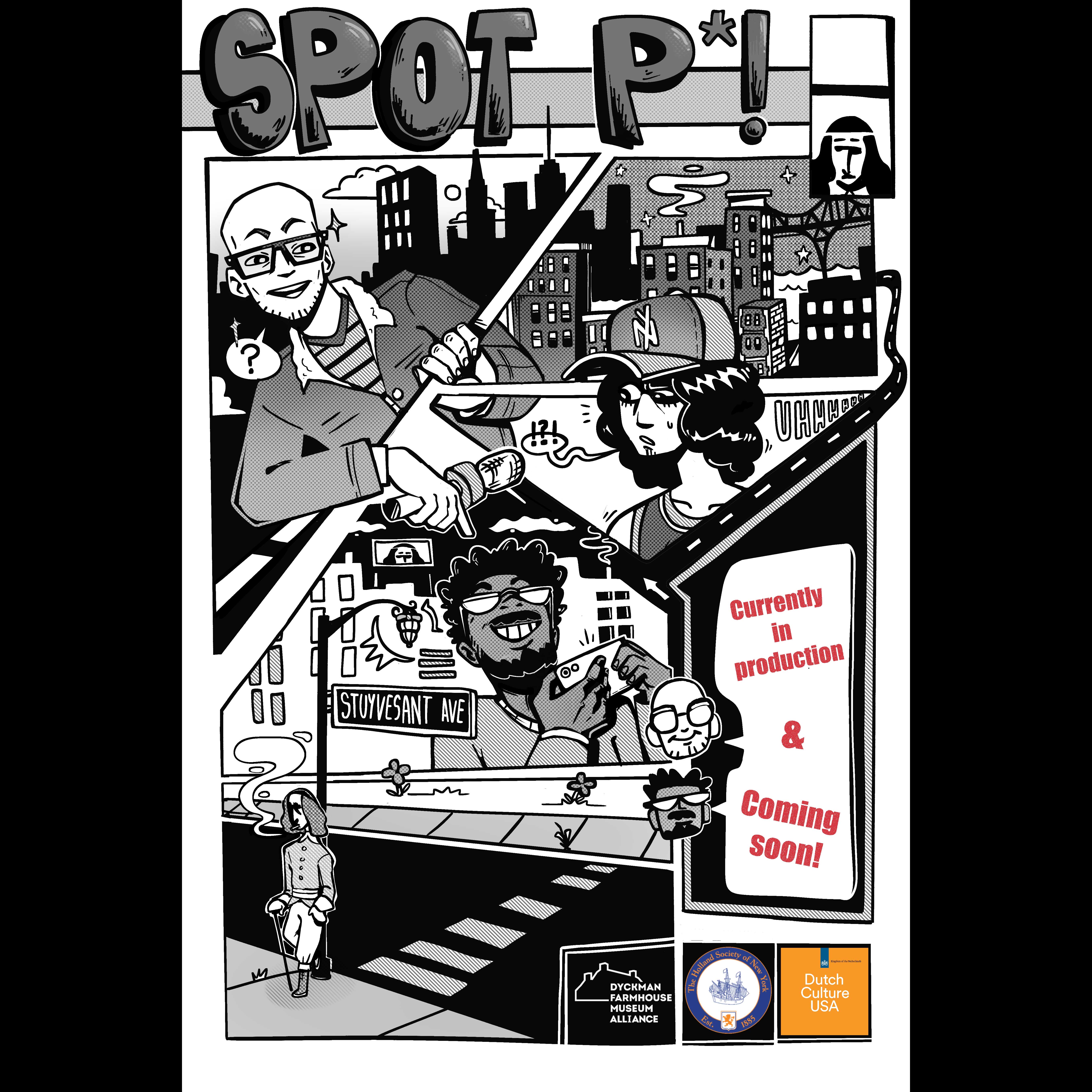
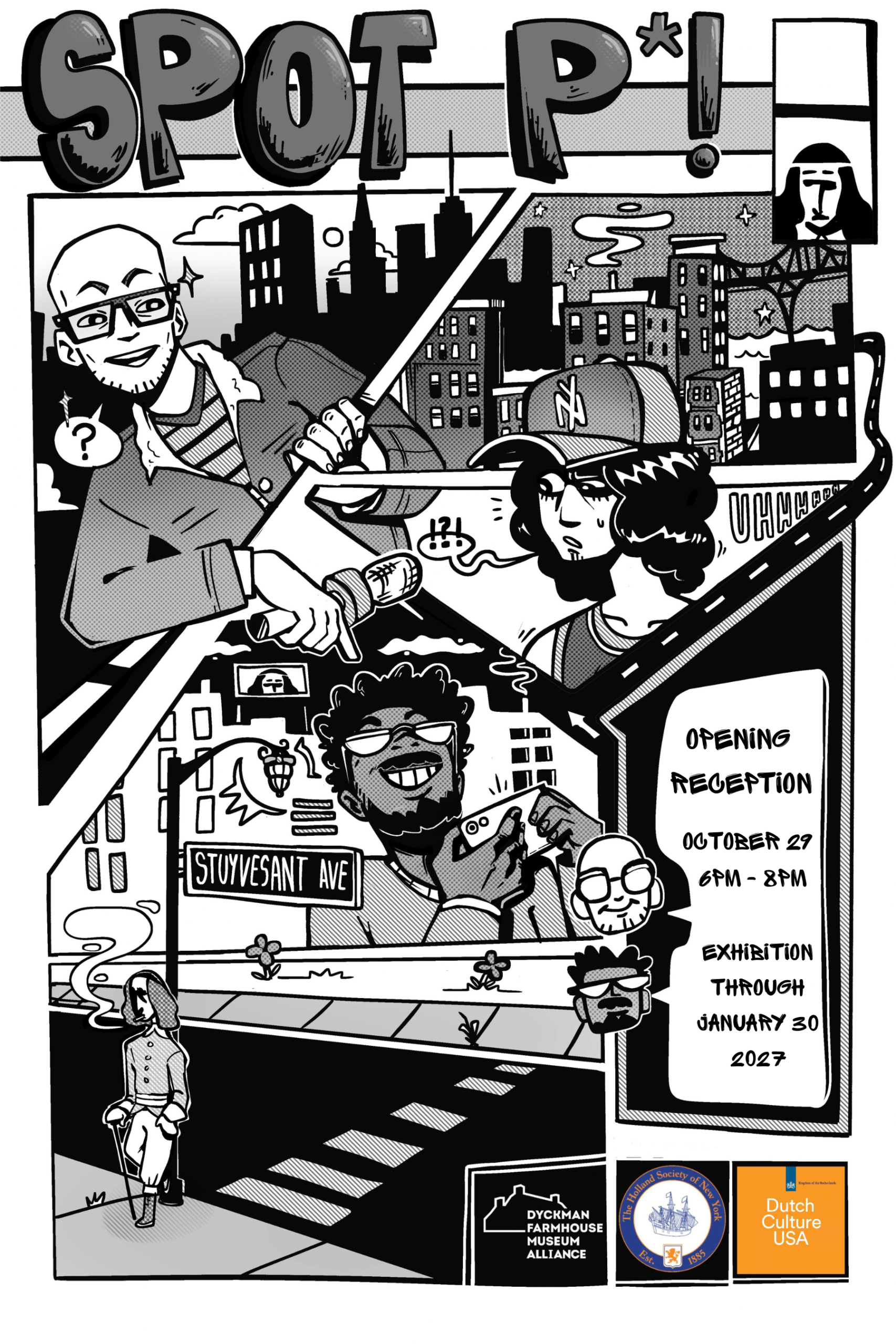
Peter Stuyvesant is often credited with laying the foundations for what became New York City.
Today, this man of Dutch origin is celebrated all around town: statues, neighborhoods in his
name, cigarette brand…
Yet, if we take a closer look, he was a trader and owner of enslaved Africans in the United States.
Bolstered by his fortune and his influence, he sold enslaved people at public auction,
held and expressed deeply antisemitic views, violently oppressed the Lenape, and actively suppressed religious minorities.
Dutch artist Kasper Klop asked himself: what is my responsibility to reckon with this history as a Dutch person, and what would happen if the full story got told, rather than a partial one, as so often happens in our commemorative landscape?
In collaboration with his long-time artistic partner Morwenna Spagnol, and videographer Deron Gopie, Kasper and the team created a multiple choice survey investigating how much New Yorkers really know about Stuyvesant, and once they know the facts, what they think about them.
Where did the team investigate? At three sites celebrating the old colonial officer: Stuyvesant Square in Manhattan with his very own statue, Stuyvesant Avenue in Bedford-Stuyvesant (Brooklyn), and outside a smoke shop – because yes, Peter even had a cigarette brand named after him, whose branding was often based on white people discovering and appropriating exotic frontiers, looking very cool and smoking Stuyvesants while doing so.
Who got interviewed? Whoever happened to pass the place celebrating Stuyvesant at the moment in time that the team was there. People walking their dog, coming back from work, dropping their kids at school… In other words, the collective. The team questioned the life of a place with the history behind its name.
The exhibition at Dyckman Farmhouse Museum showcases New Yorkers’ fascinating replies to the survey, their knowledge (or lack thereof), views, astonishment, powerlessness, indifference, outrage and nuanced responses that grapple with holding multiple contradictions at once. Also on view are extracts from primary source materials – that is, what Stuyvesant wrote in his own hand about his dark deeds, as well as original letters addressed directly to him.
This program is supported by The Holland Society of New York and DutchCultureUSA, a program of the Kingdom of the Netherlands in the United States.
 K
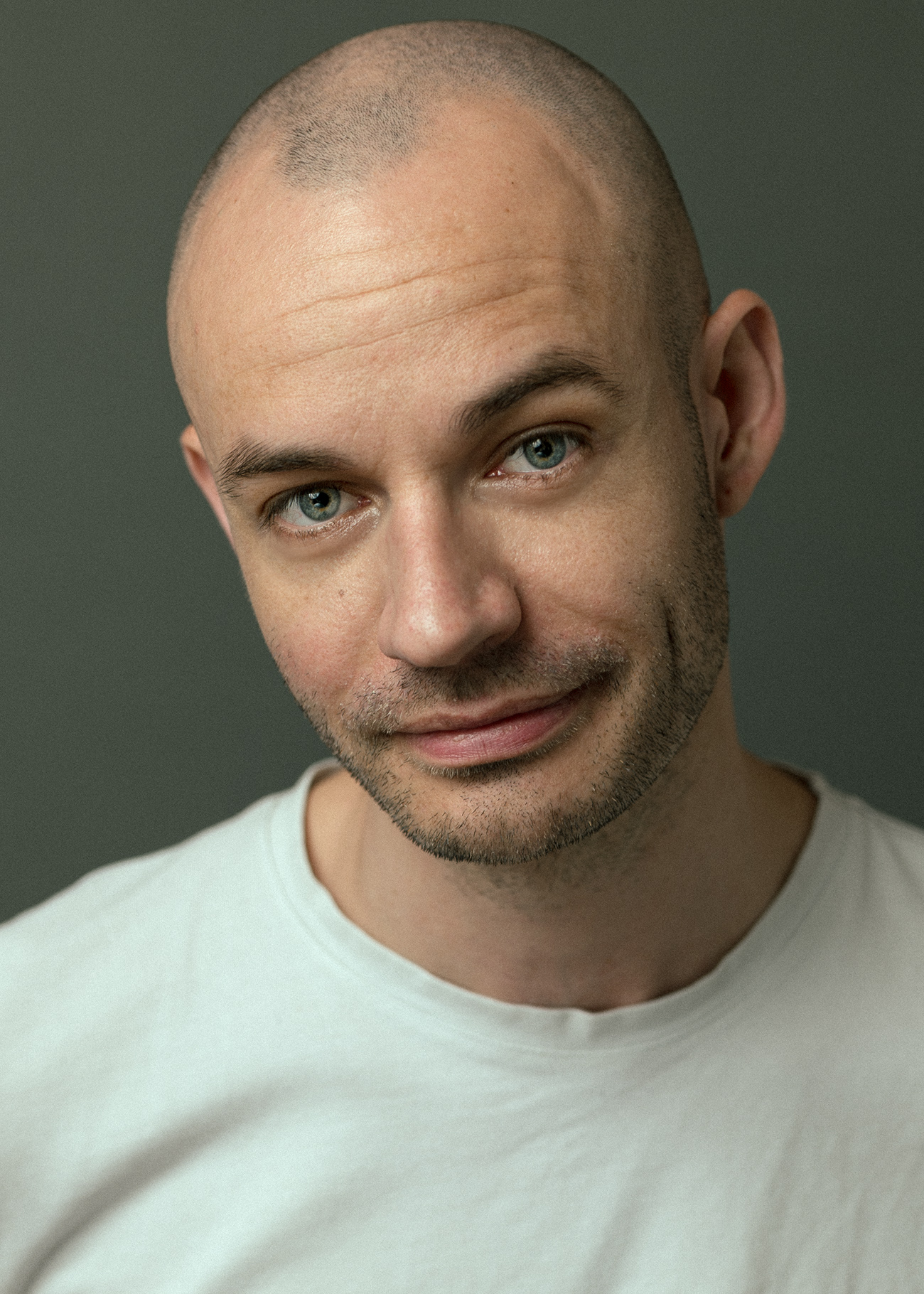
K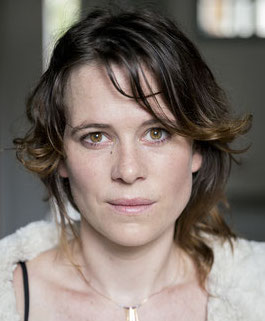 asper Klop & Morwenna Spagnol are a multidisciplinary artistic duo whose site-specific performances interrogate the dissonance between collective memory and contemporary values. Their practice emerges from comprehensive research of local histories, using clown, puppetry, video installation, and public intervention to examine issues of bodily autonomy and historical justice. Morwenna’s expertise in social clown, honed through training with Slava Polunin’s crew at the Bouglione circus, merges with Kasper’s background in acting to create work that fluctuates between humor and transgressive provocation. Their performances incorporate found objects, architectural elements, and real community voices, transforming familiar spaces into sites of critical reflection. The artists reveal invisible histories embedded in urban landscapes, questioning how monuments and public spaces perpetuate contested narratives while seeking pathways toward liberation. Their work has been presented at venues including Rattlestick Theater, The Tank, Dixon Place, Millennium Film Workshop, Collab NYC, Summerhall (Edinburgh), Rich Mix (London) and on the streets of Paris.
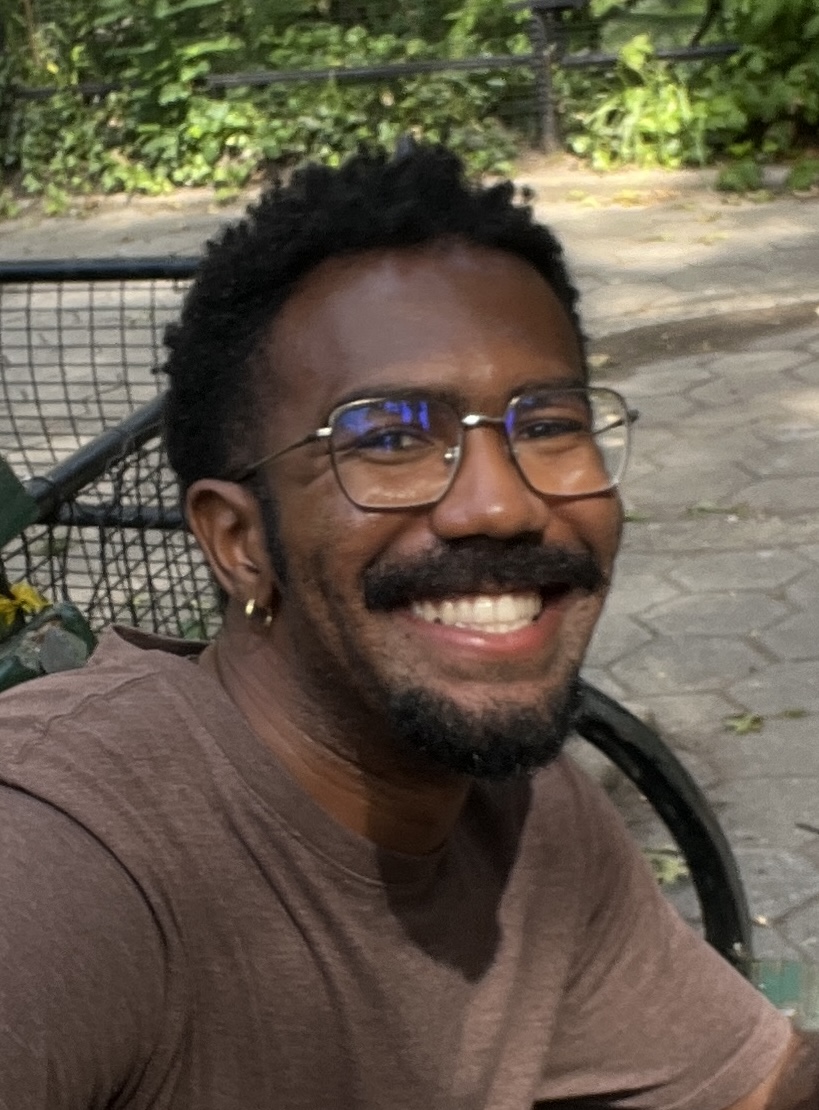 Deron Gopie, videographer:
Deron is a multidisciplinary artist and freelance designer based in Brooklyn. His practice investigates the systems, interfaces, and rituals that shape human experience, with a particular interest in spectacle and the spaces where technology, culture, and everyday life collide.
Additional credits:
Behind The Scenes footage by Negin Poure
Poster by @lord.fyu