
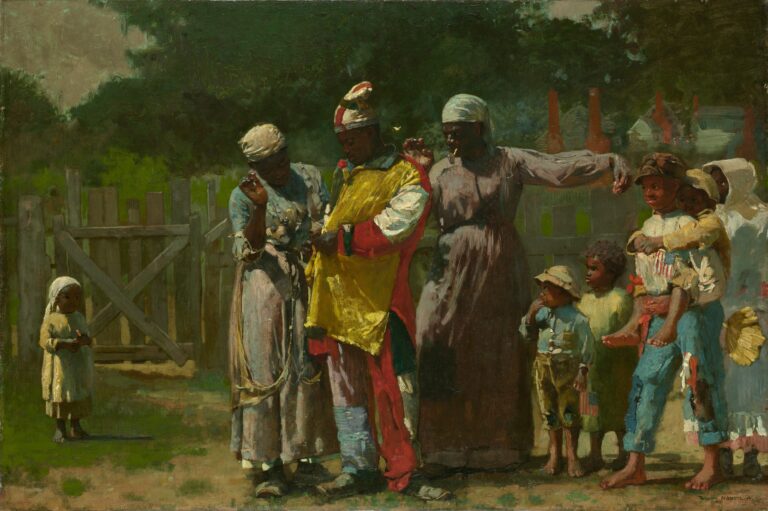
Dressing for the Carnival, Winslow Homer (1877)
Pinkster— the oldest documented African celebration in North America— is a vital link to the history of free and enslaved Africans in New Netherland and New York.
The Dutch word for Pentecost, Pinkster was a time of renewal celebrated by both the Dutch and free and enslaved Africans during the colonial period. Over time, it became known as an African holiday because of the large public celebrations of the enslaved. While the Dutch held their own celebrations, enslaved Africans were allotted time off to connect with friends and loved ones at gatherings throughout New York, offering a rare time of rest and leisure.
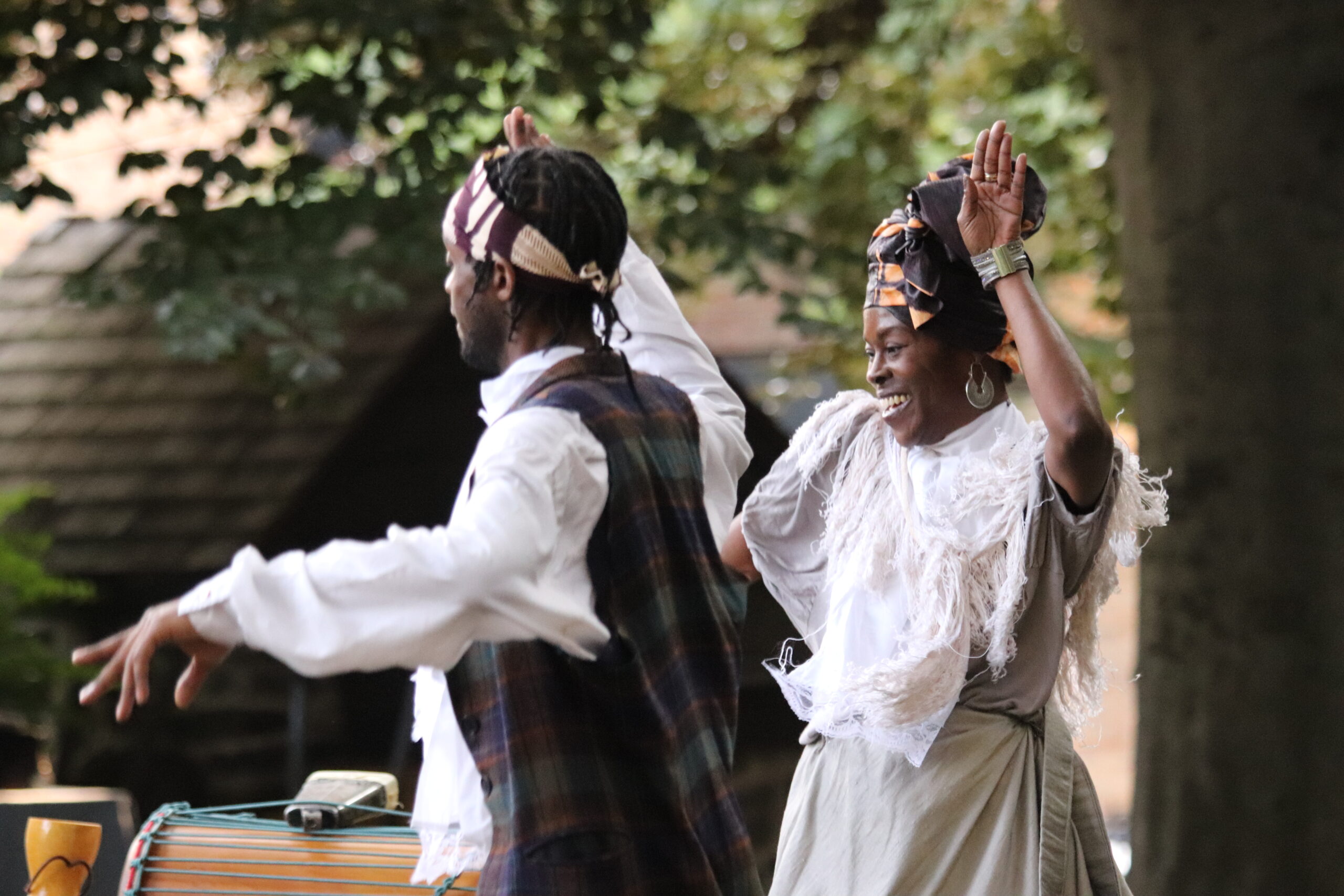
Known for their joyous movement, music, games, and competitions, multi-day Pinkster celebrations were important sites for practicing and preserving African cultural traditions.
Albany’s vibrant Pinkster Festivals included storytelling, dance performances, and the election of a Pinkster King who presided over all activities. This election allowed enslaved people to honor elders in their community in a way that was not possible outside of Pinkster. The festivals took place atop a backdrop of spring blooms, including the Pinkster Azalea, the official bloom of Pinkster. Albany’s Pinkster Festivals ended in 1811 when a city ordinance was put in place banning Pinkster celebrations.
Celebrations in New York City may have looked different than those upstate.
One gathering site was in downtown Manhattan on Catherine Street. Rather than a formal Pinkster Festival, Catherine Market served as a money-making opportunity for workers taking time off, who could then take their earnings to nearby celebrations.
Enslaved men, often coming by boat from Long Island, brought objects to sell at market and would then perform dances. Many such dancers would set up “shingles” – square wooden boards about five to six feet long – to dance on and compete against others while onlookers gambled on which dancer would win in the competition.
Fishmongers and other vendors might hire a man to draw attention to their stalls by dancing. Some believe these performances and competitions were the origins of American tap dance and competitive “fight dancing” in early hip hop.
As members of the Dutch Reformist Church in a Dutch-colonized area, the Dyckman family likely observed the Pentecost. Though DFMA has found no documentation, enslaved people working for the Dyckmans may have participated in Pinkster celebrations.
In the past, the Inwood area of northern Manhattan was vast, rural farmland. In this region, Pinkster probably resembled celebrations upstate more so than those downtown. Pinkster celebrations were likely especially meaningful to enslaved people living in less dense areas, as it was more challenging to gather with people from other households than it was in bustling downtown.
Despite the festive nature of Pinkster, the holiday was as strategic as it was celebratory for the Dutch.
Giving enslaved workers a chance to let off steam eased tensions and helped the Dutch to maintain power dynamics. Pinkster celebrations tapered off as slavery was gradually abolished in New York State and African Americans no longer needed to limit gatherings to just holidays. Still, some formerly enslaved people, including Sojourner Truth in an 1850 biography, remembered Pinkster fondly as a time for joy and celebration, even after gaining freedom.
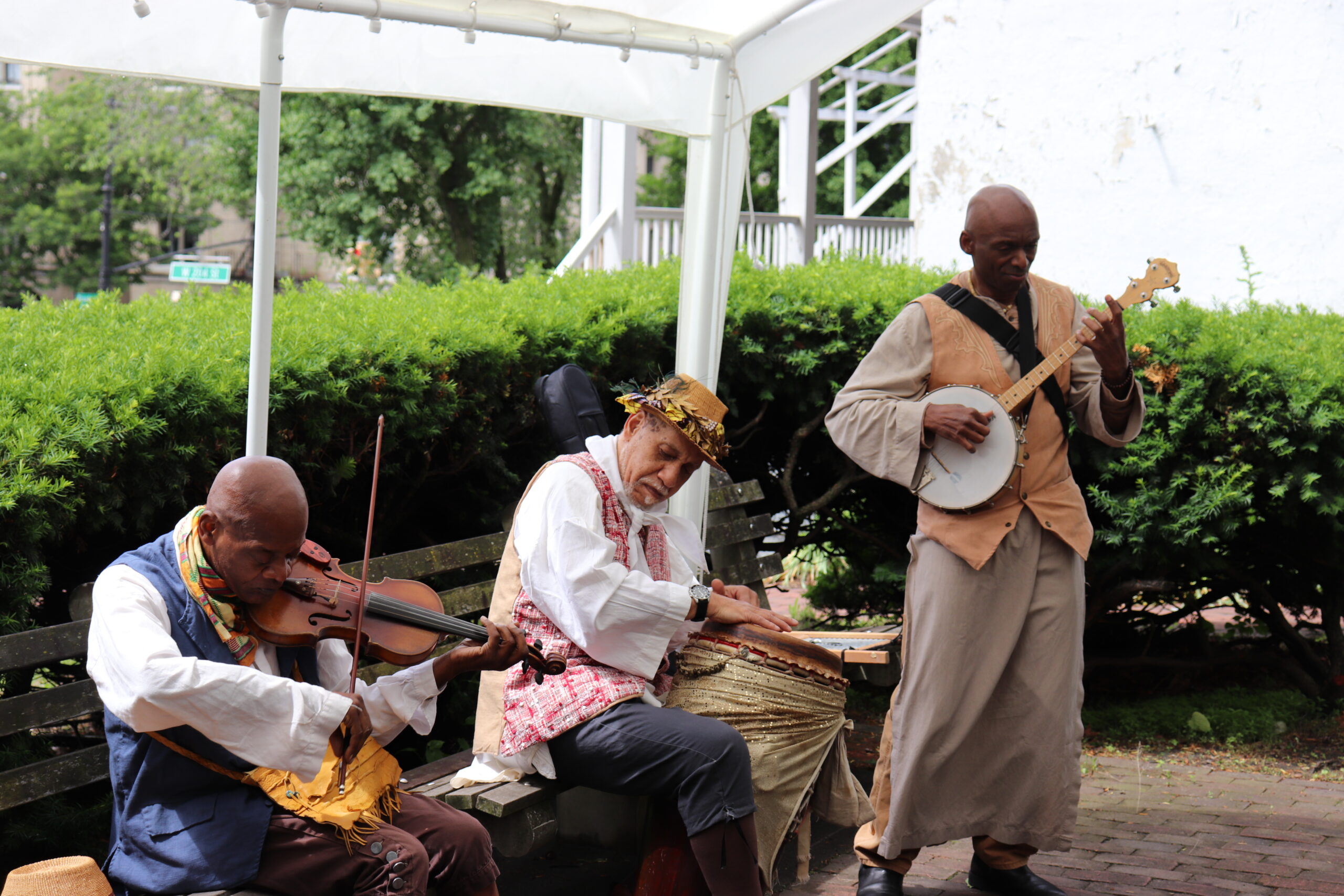
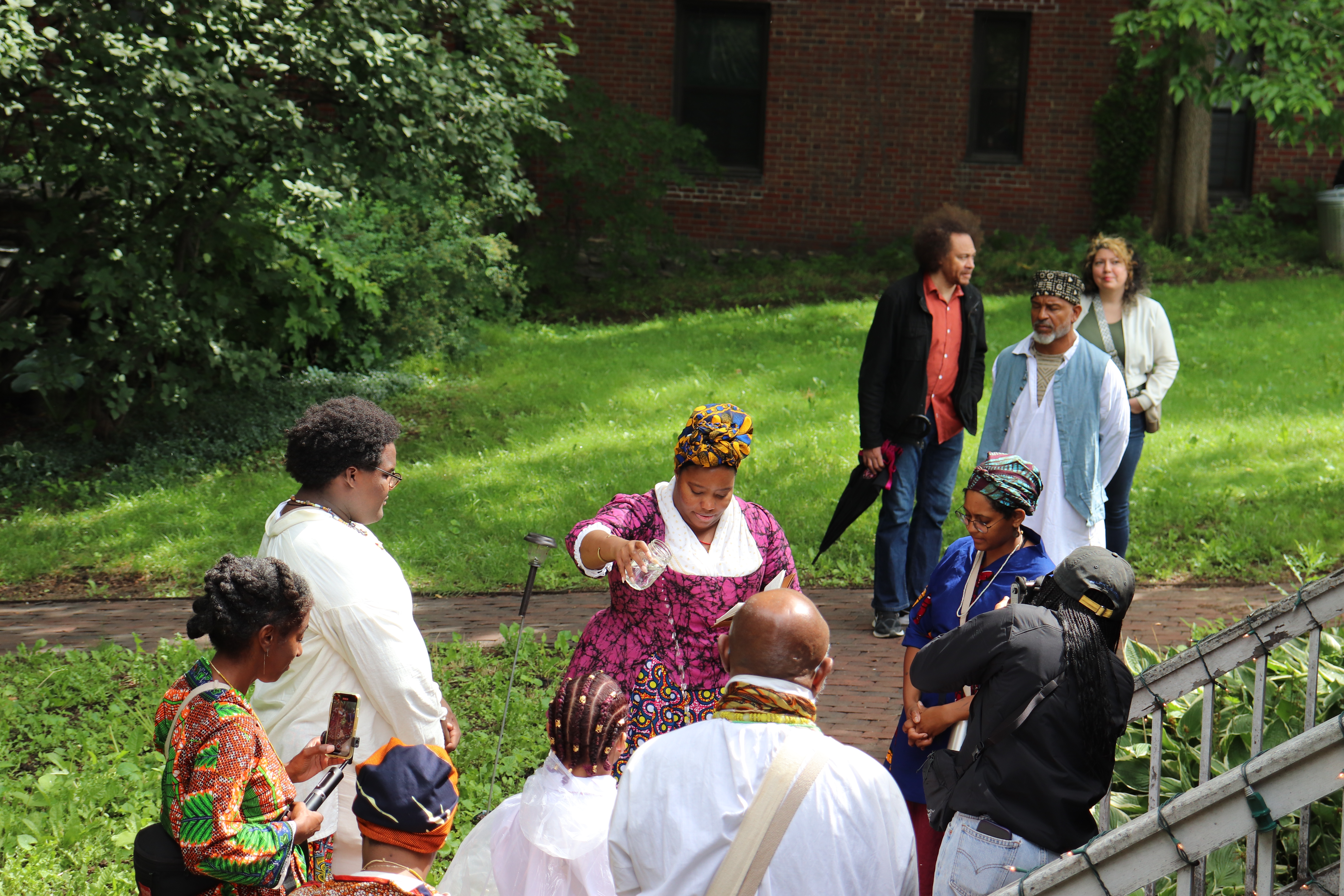
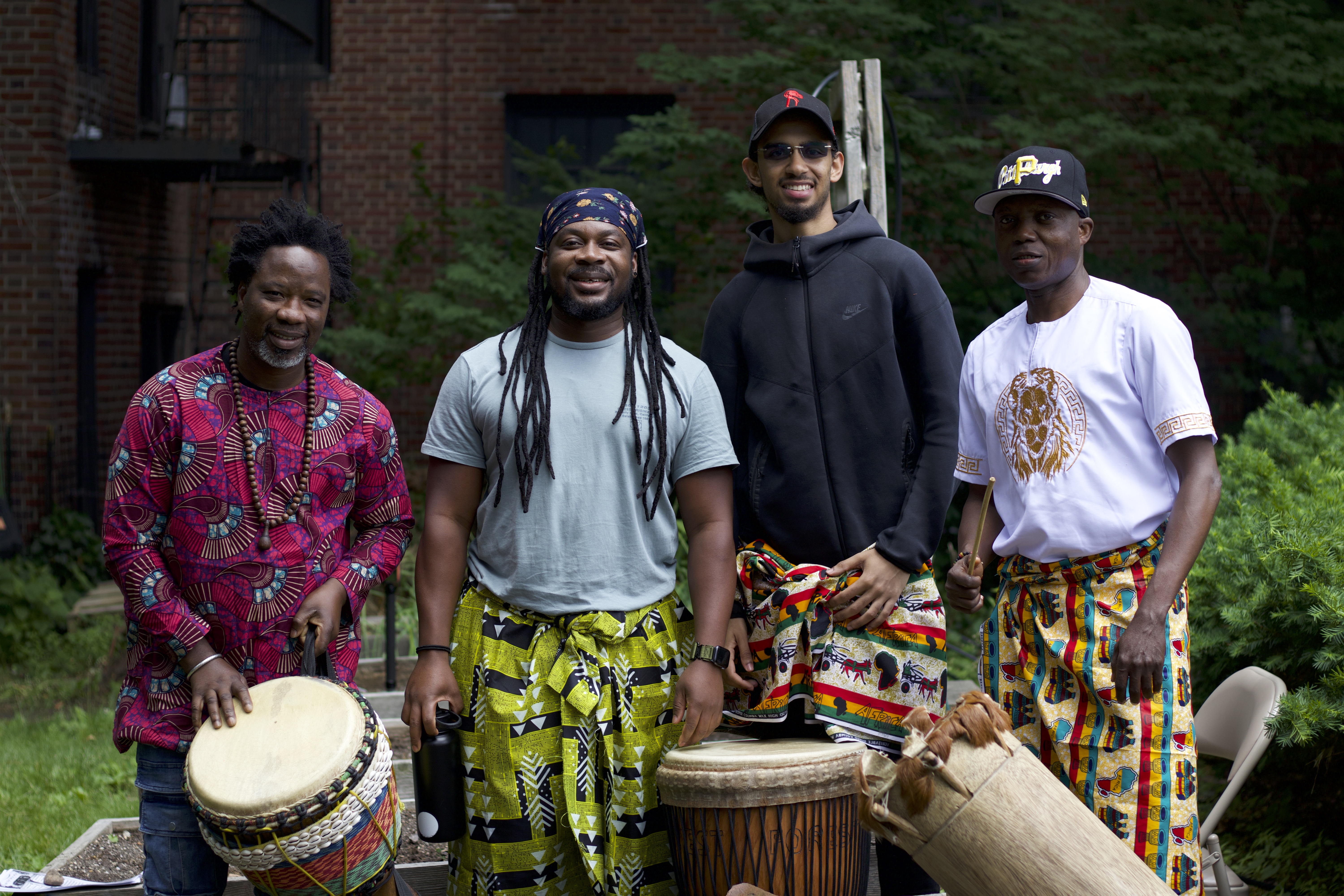
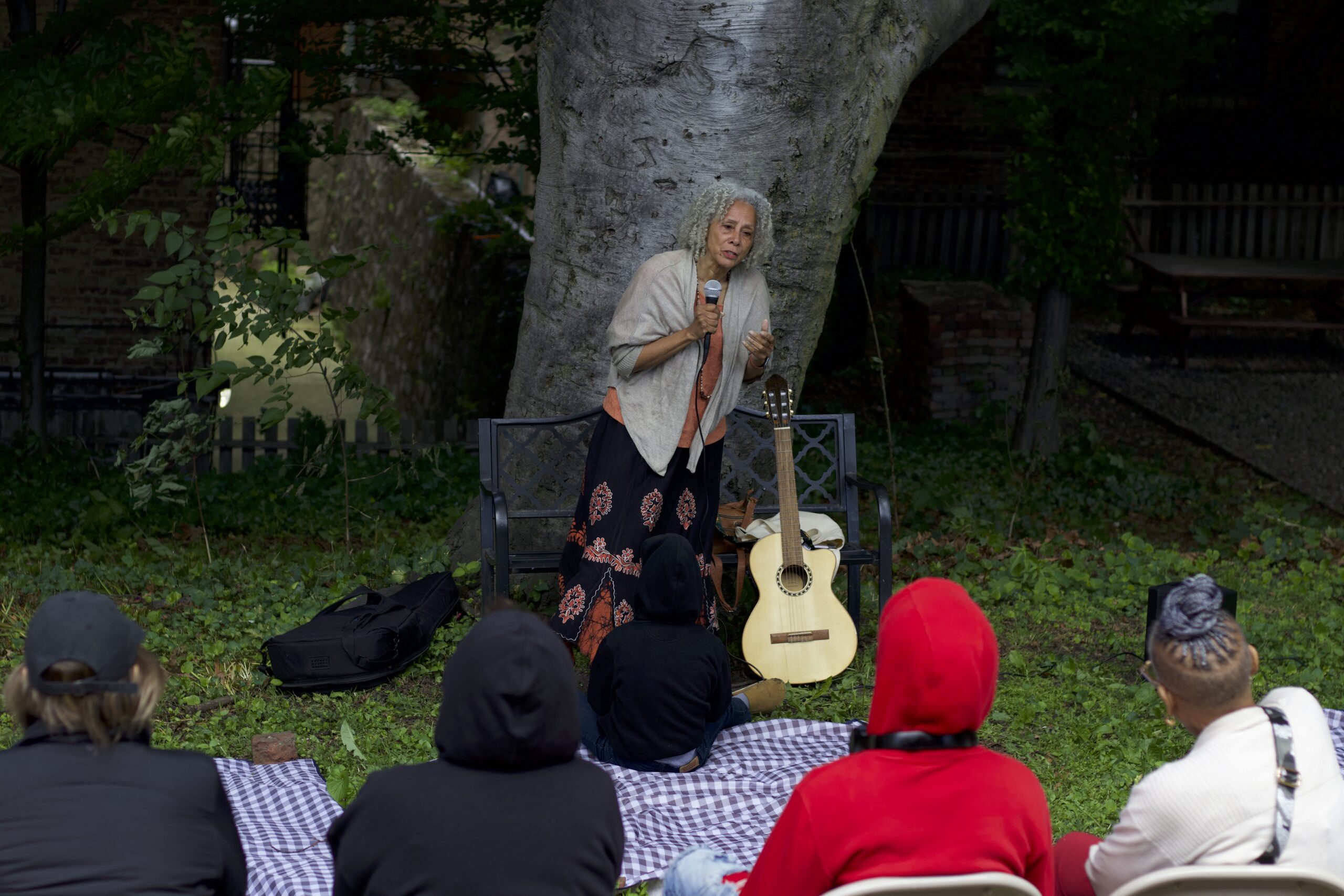
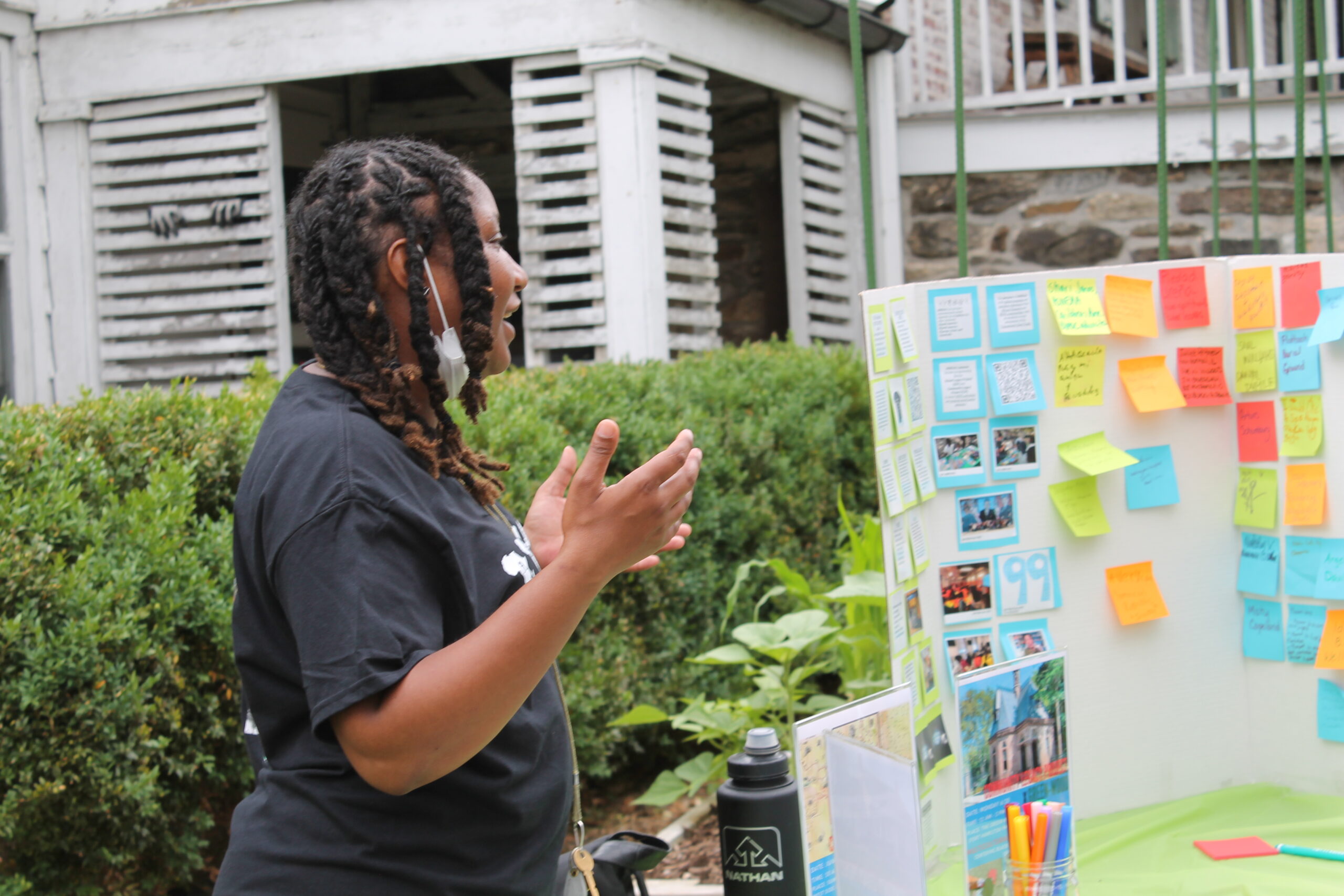
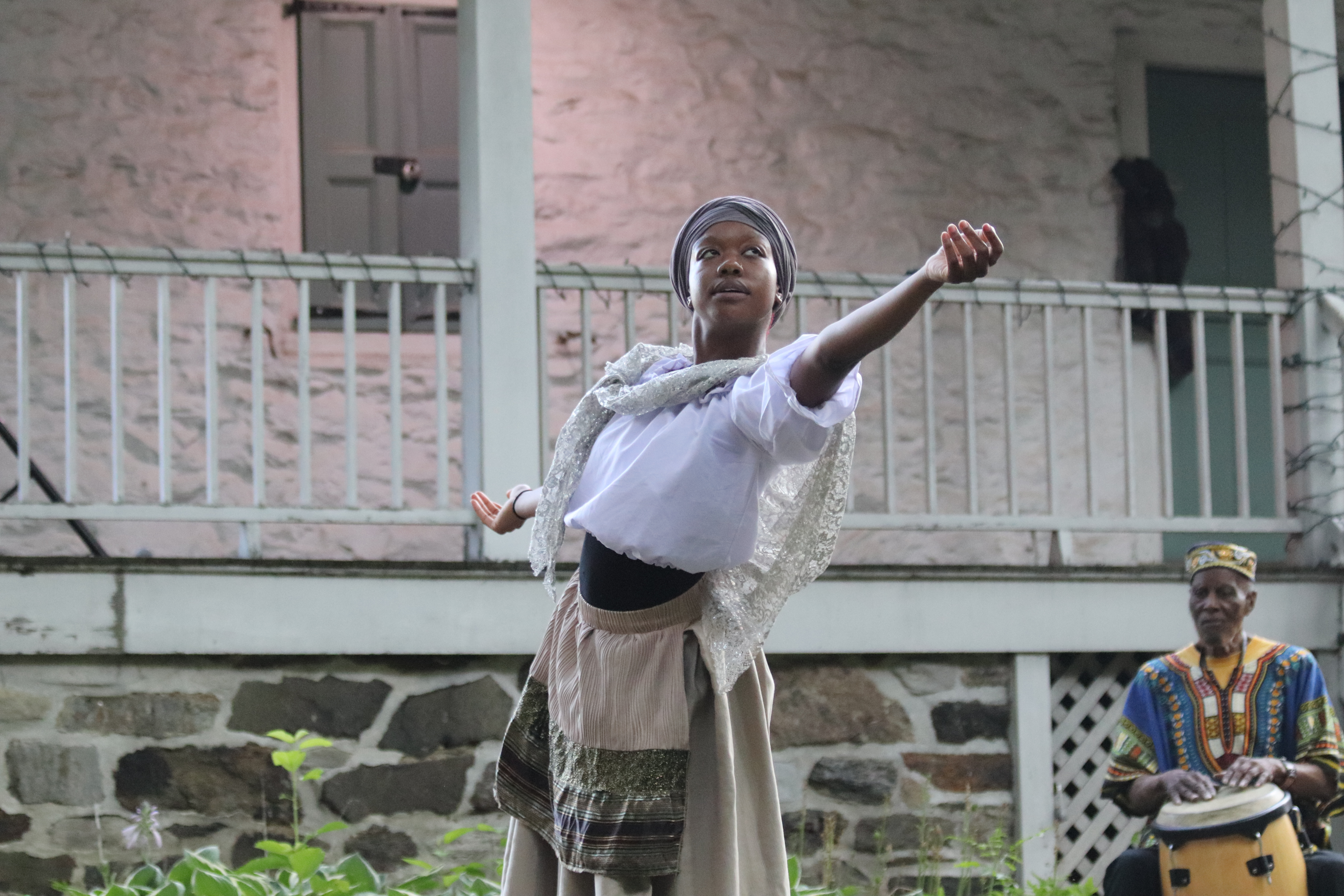
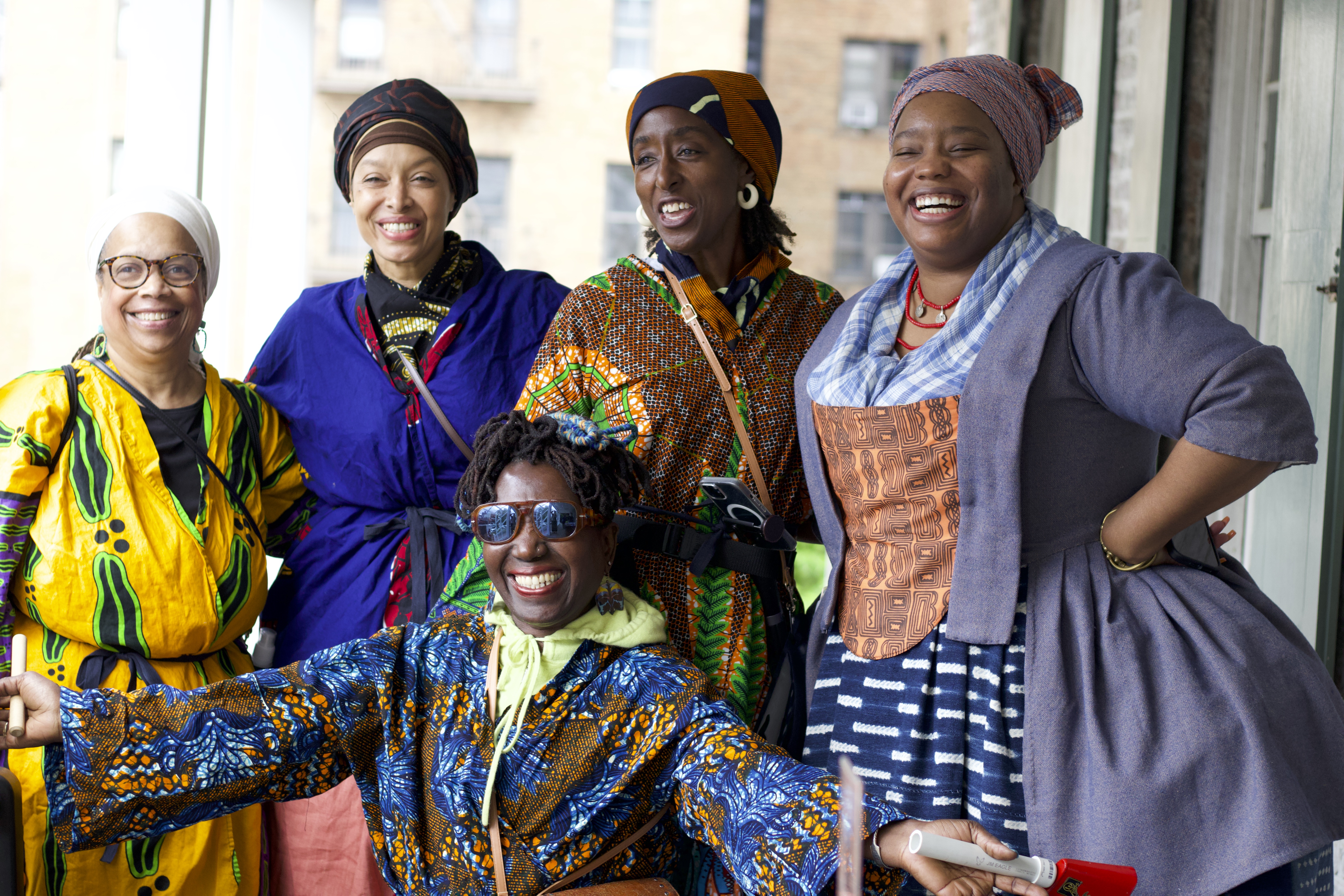
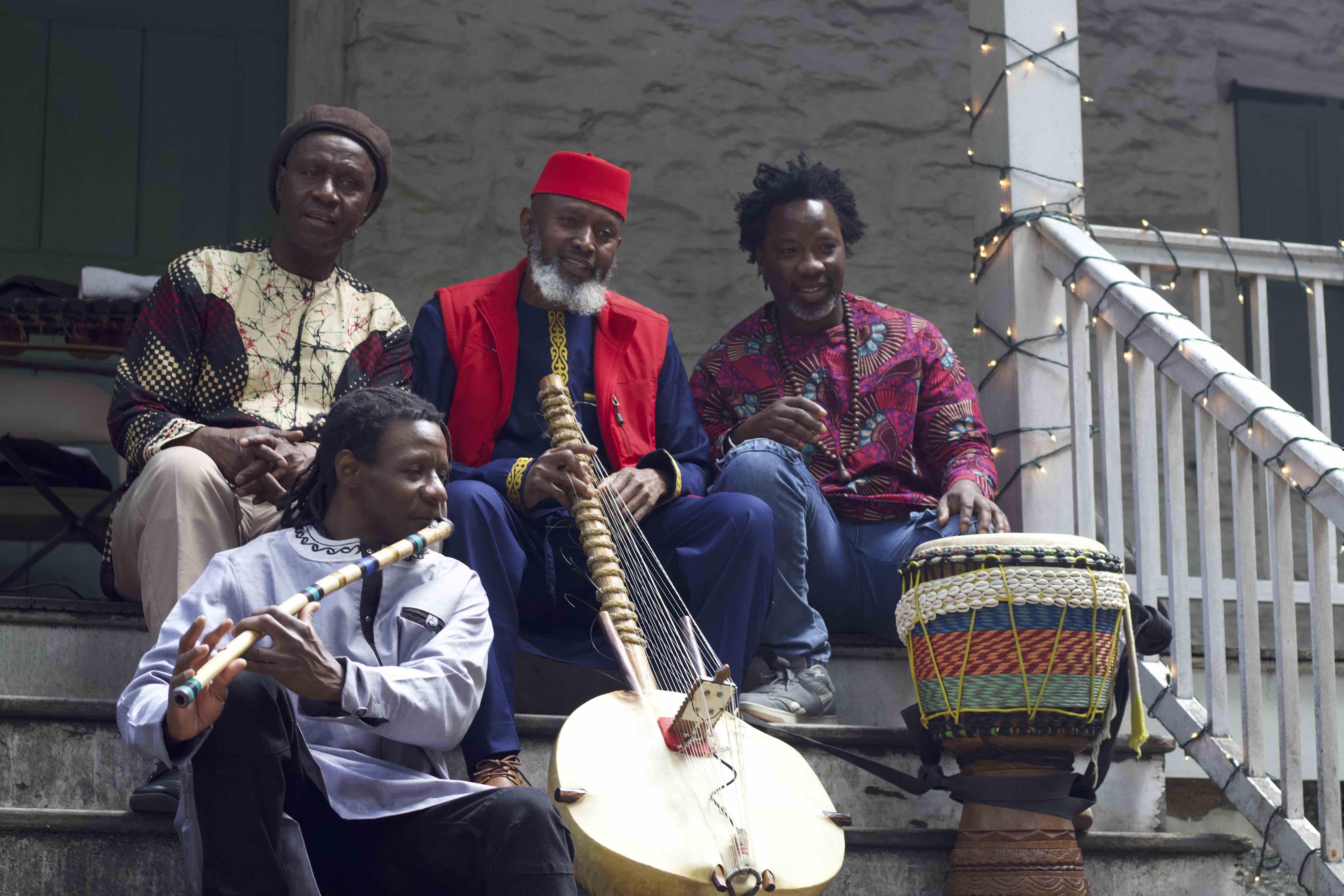
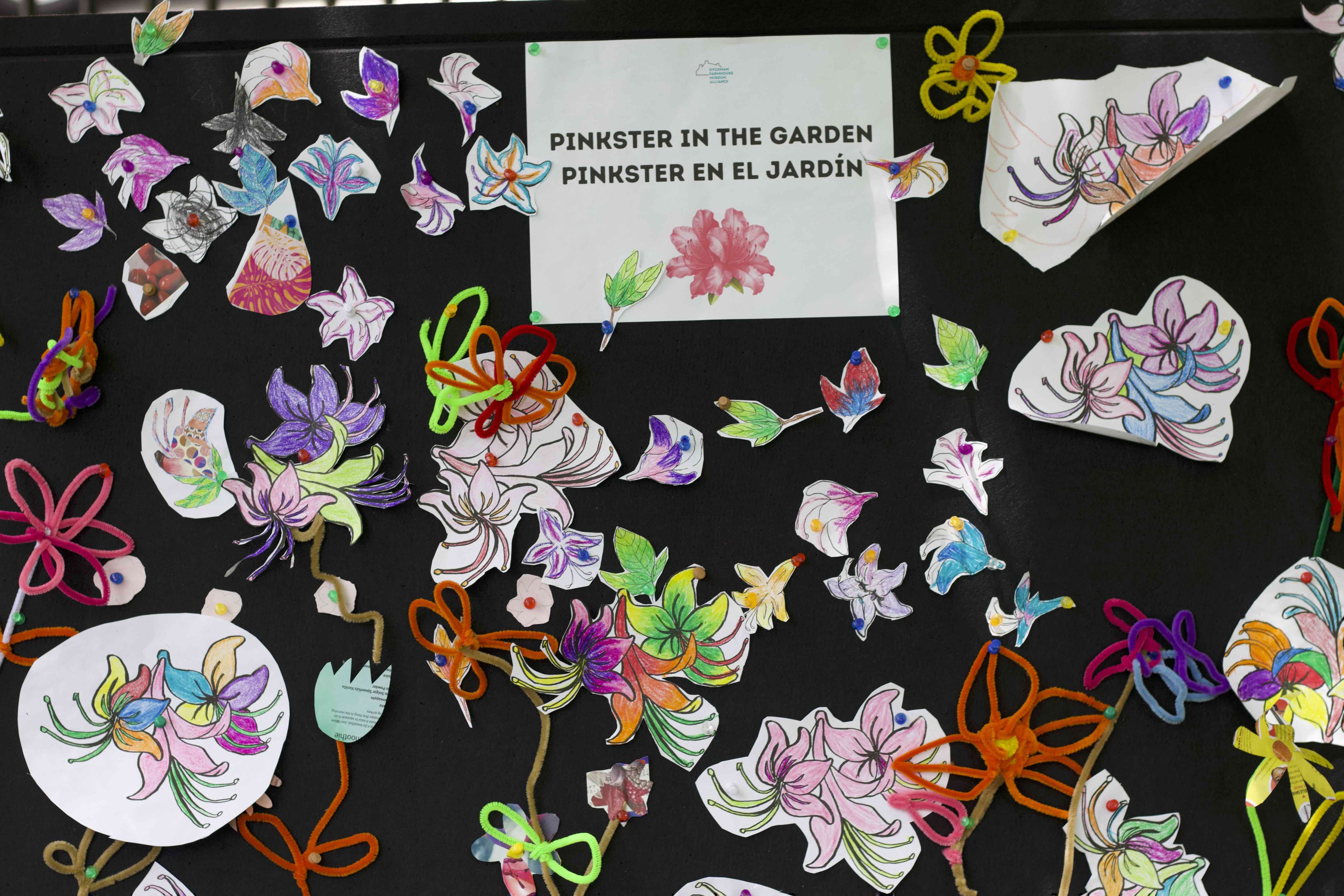
Each year, Dyckman Farmhouse Museum Alliance honors the history of the holiday and its important role in cultural preservation with music, dance, crafts, and a Pinkster stroll.
Additional Resources
Articles
- NY State Parks & Historic Sites Blog: “How Dutch Holiday ‘Pinkster’ Became an African-American Cultural Celebration”
- Brooklyn Public Library, Primary Source: Celebration at Political Demonstration
- Brooklyn Botanical Garden, Garden Stories: “Plant Spotlight: The Pinkster Azalea”
- NY State Parks & Historic Sites Blog: “Reviving A Dutch Holiday with African Flavor”
- Tenement Museum: “Pinkster: A Celebration for Black New Yorkers”
Books
- The Market Book by Thomas F. De Voe
- Finding Pinkster: The Ethnoarchaeology of Dancing in the Street by Kate Tarlow Morgan
- Pinkster King and the King of the Kongo: The Forgotten History of America’s Dutch-Owned Slaves by Jeroen DeWulf